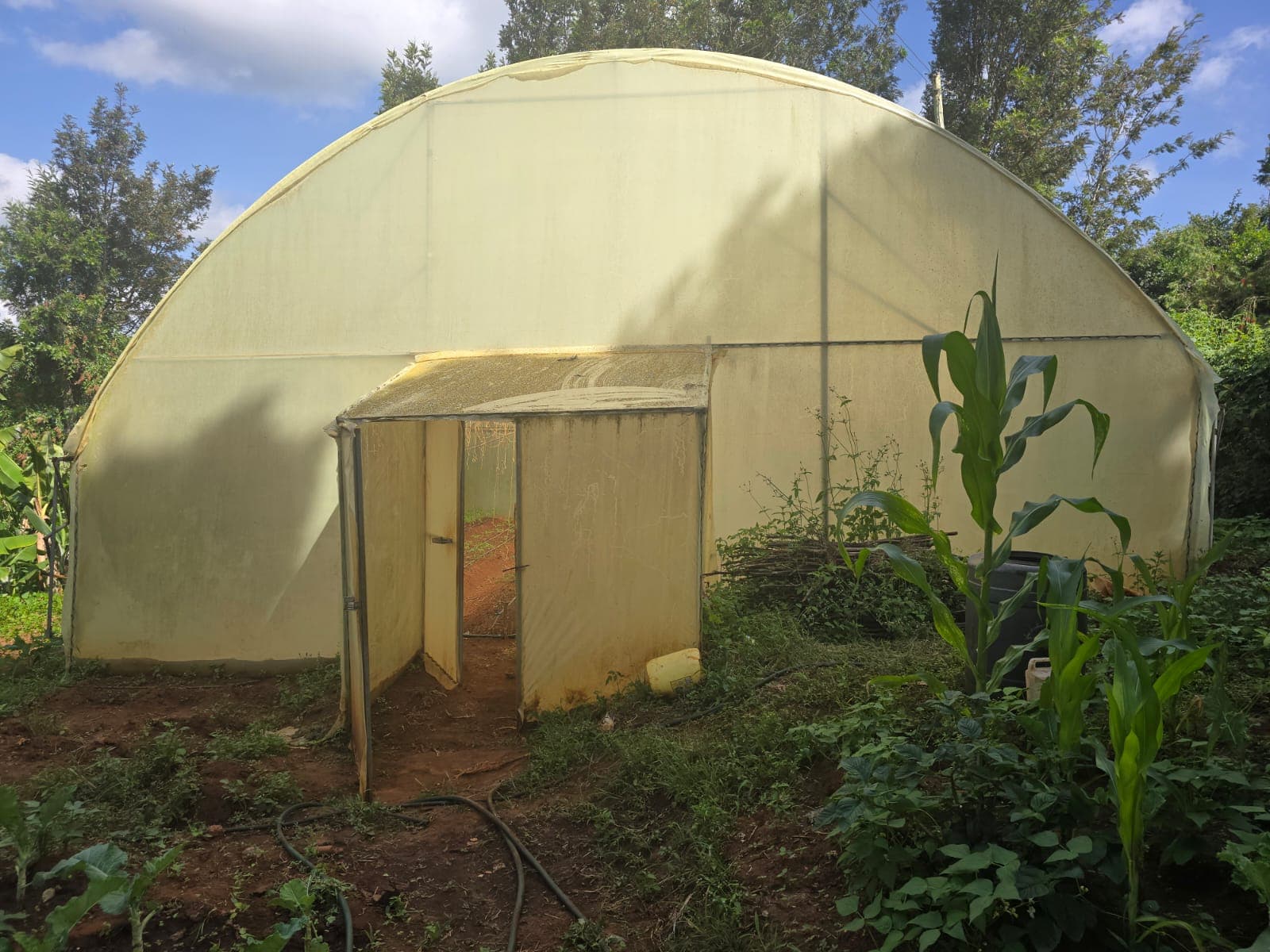
Faithlink Farm is committed to helping smallholder farmers succeed. We provide practical training, access to quality seedlings, and ongoing support so farmers can adopt improved practices with confidence. Many of the farmers we work with have deep agricultural knowledge passed down through generations, and our role is to complement that experience with newer techniques, updated information, and reliable inputs that can be hard to access independently.
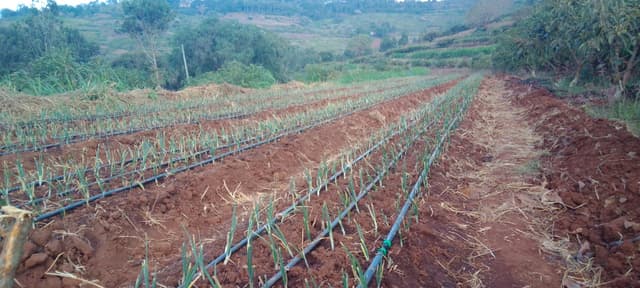
Our programs focus on crop planning, soil health, pest management, and market-ready production. Crop planning sessions help farmers think ahead about what to plant and when, taking into account rainfall patterns, market demand cycles, and the specific needs of their land. Soil health workshops cover simple, affordable ways to test and improve soil fertility, including composting techniques and cover cropping that don't require expensive inputs.
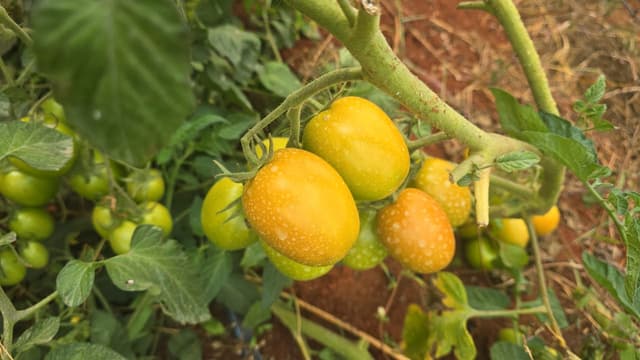
Pest management training emphasizes early identification and integrated approaches that reduce reliance on costly chemical treatments. We teach farmers to recognize the early signs of common pest and disease pressures specific to crops like tomatoes, onions, and leafy greens, so they can intervene before problems spread. This empowers farmers to build stronger, more profitable operations while using fewer resources, protecting both their investment and the surrounding environment.
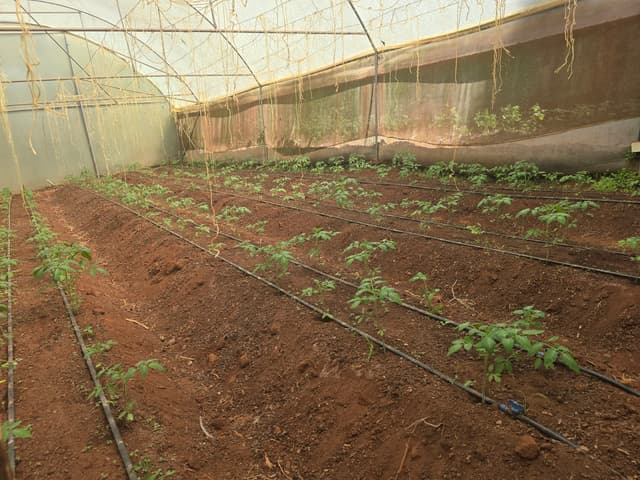
Access to quality seedlings is often one of the biggest barriers smallholder farmers face, so we've worked to make disease-resistant, high-yield varieties more available and affordable. Pairing good seedlings with proper training on transplanting and early care significantly improves survival rates and eventual yields.
Through farm visits and group sessions, we create a collaborative learning environment that helps each grower improve yields and build long-term resilience. Farmers often learn as much from each other during these sessions as they do from our staff, sharing what has worked on their own plots and troubleshooting challenges together. We see this community of practice as one of the most valuable outcomes of our support programs, one that continues to grow stronger with each planting season.