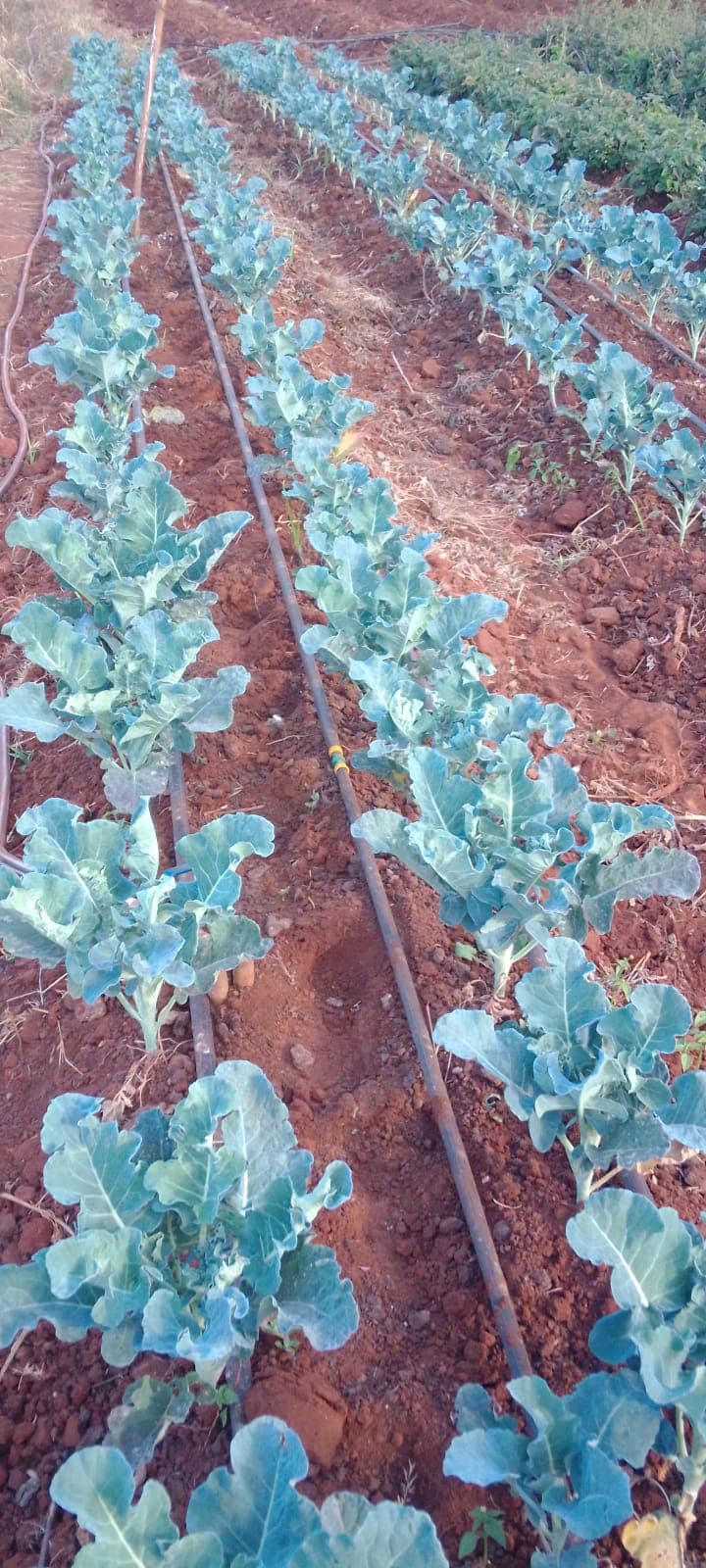
Kales, known locally as sukuma wiki, is one of the most popular and nutritious leafy vegetables in Kenya. At Faithlink Farm, we've perfected the art of kales cultivation through years of experience and continuous learning. As a staple in many households, kales demand consistent quality and steady supply, which has pushed us to refine our growing methods season after season.
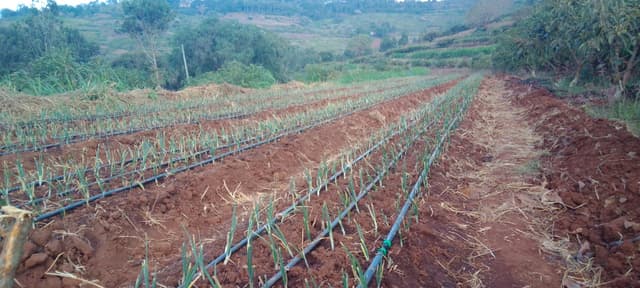
Our approach begins with selecting the best varieties suited to our local climate and soil conditions. We pay special attention to soil preparation, ensuring it's rich in organic matter and has the right pH balance for optimal growth. Before transplanting, we work compost and other organic amendments into the beds, giving young seedlings a nutrient-rich start that supports vigorous early growth.
Regular watering, proper spacing, and timely pest control are key elements of our kales farming strategy. Kales are particularly susceptible to aphids and diamondback moth larvae, so we monitor plants closely and intervene early with targeted, low-impact methods whenever pest pressure begins to build. Proper spacing between plants not only supports healthy growth but also makes it easier to spot problems before they spread across a bed.
We also practice crop rotation to maintain soil fertility and prevent the buildup of pests and diseases that can accumulate when the same crop family is grown repeatedly in the same location. This rotation, combined with cover cropping during rest periods, keeps our soil in good condition for continuous kales production across different sections of the farm.
Harvesting is done on a rotating basis, picking outer leaves as they mature so the plant continues producing over an extended period rather than harvesting the entire plant at once. This approach maximizes yield per plant and helps us maintain a steady supply for buyers who rely on us week after week. The result is a consistent supply of tender, flavorful kales that are rich in vitamins and minerals, contributing to the health and well-being of our community.