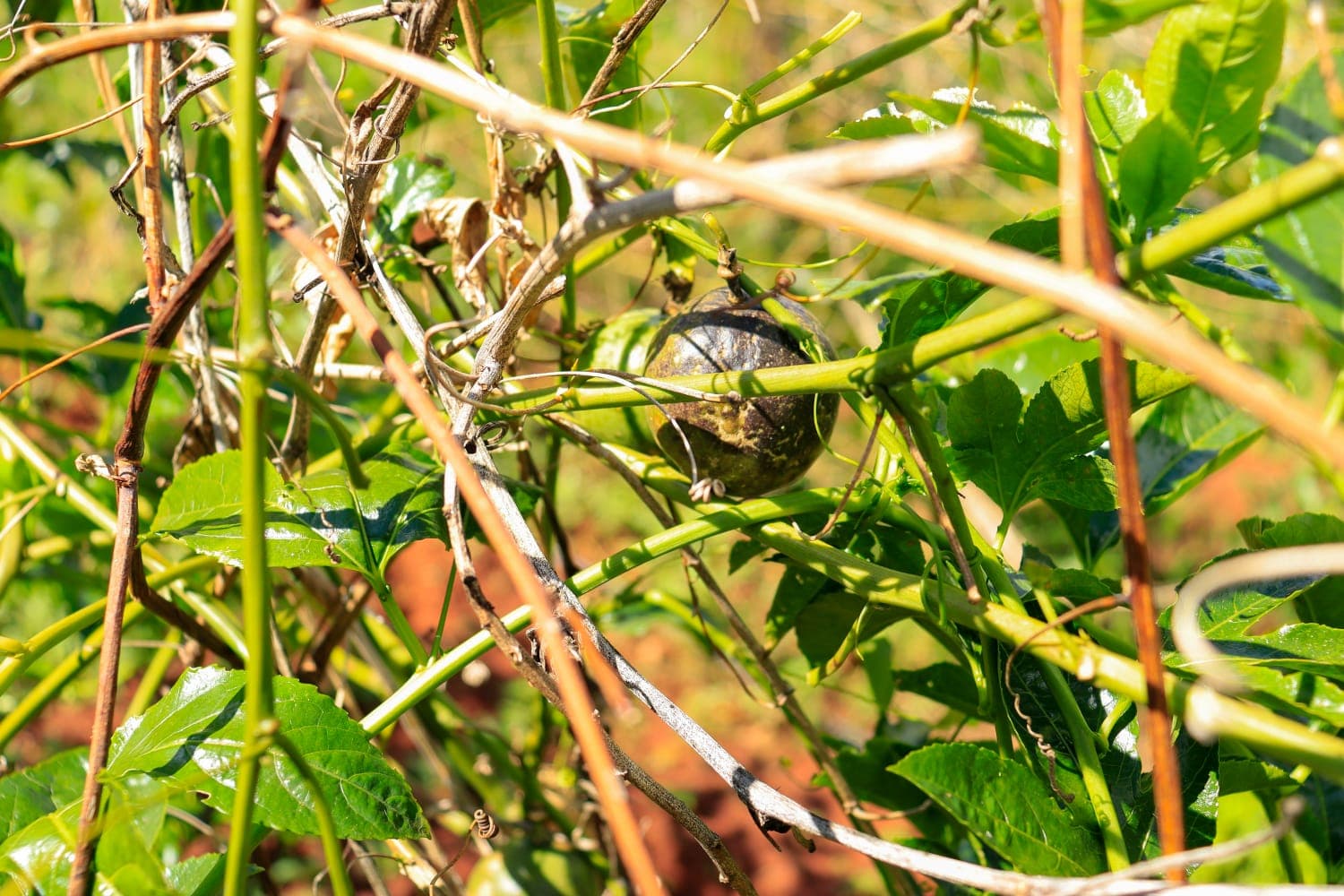
Passion fruit farming has become one of the most profitable agricultural ventures at Faithlink Farm. This fast-growing, high-value crop thrives in our region's climate and offers excellent returns for farmers willing to invest the time in proper trellising, pruning, and pest management. Its vigorous vine growth means that early infrastructure decisions have a lasting impact on the productivity of the orchard for years to come.
Our success with passion fruits can be attributed to several key factors. First, we carefully select disease-resistant varieties that are well-suited to our local conditions, prioritizing rootstocks known for their resilience against common soil-borne diseases like fusarium wilt. We've also implemented a trellis system that provides proper support for the vines while making harvesting easier, using sturdy posts and wire lines that keep the canopy organized and accessible.
Regular pruning, proper fertilization, and effective pest management are crucial components of our passion fruit farming strategy. Pruning keeps the vines productive by removing old, unproductive wood and encouraging new growth where flowering and fruiting are most vigorous. Our fertilization program shifts throughout the year, with an emphasis on potassium during the flowering and fruiting stages to support fruit development and sweetness.
We also pay close attention to irrigation, ensuring our plants receive consistent moisture without waterlogging, since passion fruit roots are particularly sensitive to standing water. Mulching around the base of each vine helps retain soil moisture between waterings and suppresses weed competition that would otherwise draw nutrients away from the plants.
Pollination is another factor we monitor closely, as passion fruit flowers benefit significantly from insect activity. We maintain habitat conditions that support pollinator populations around the orchard, which has a direct and noticeable effect on fruit set. The result is a bountiful harvest of high-quality passion fruits that command premium prices in the market, and a crop that continues to reward the careful, long-term investment we've put into it.