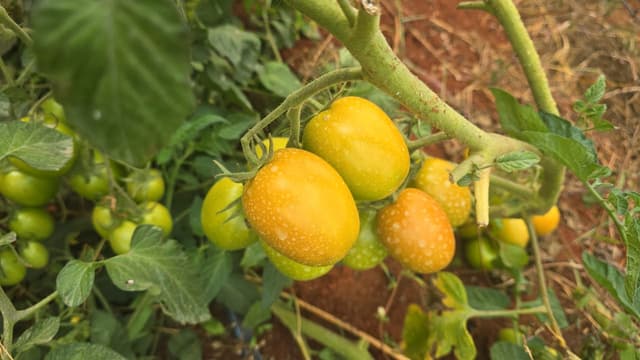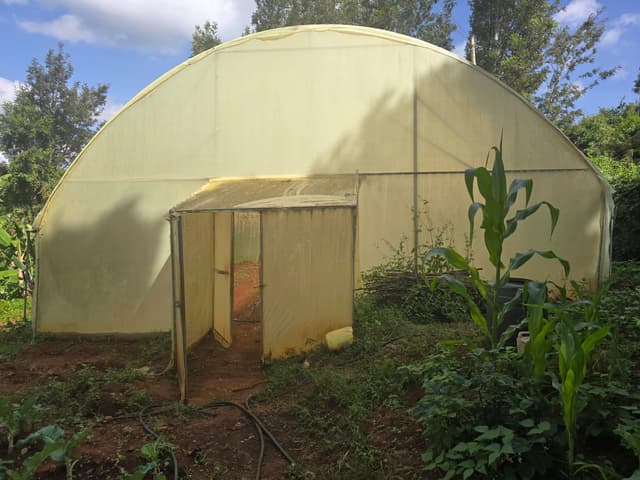
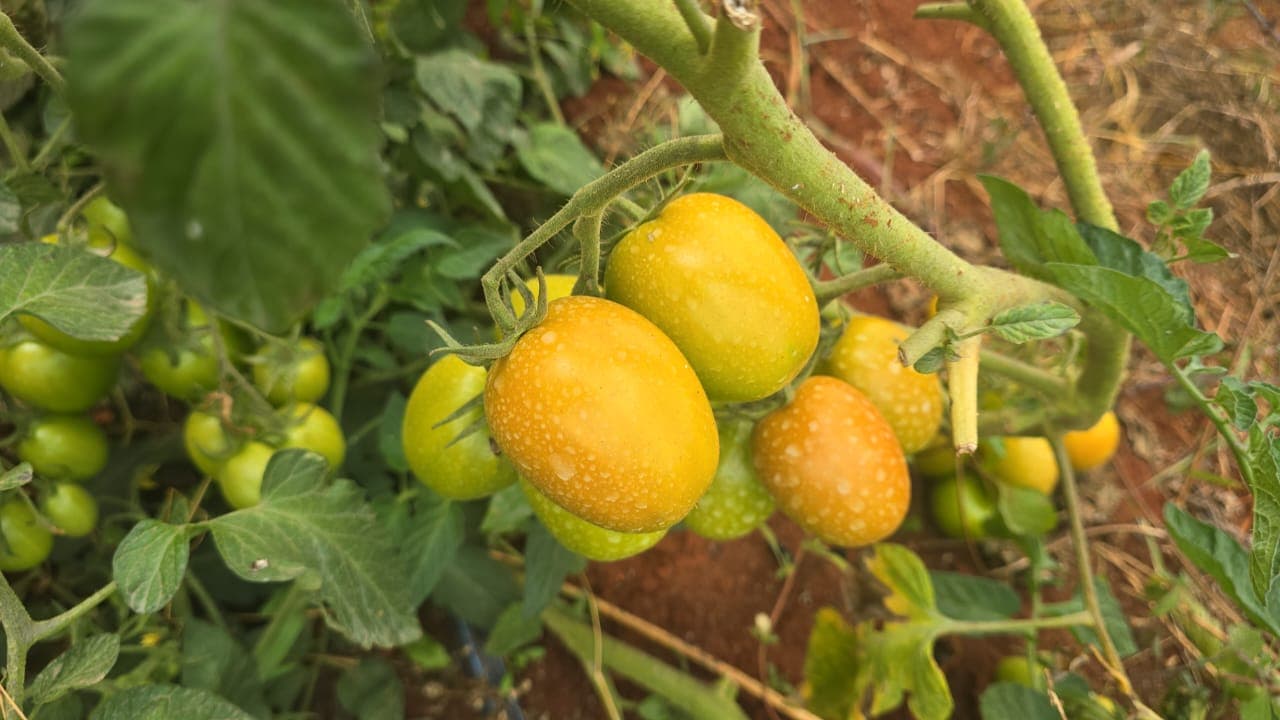
At Faithlink Farm, our tomato greenhouse represents a significant milestone in our journey towards sustainable and high-yield farming. By implementing state-of-the-art greenhouse technology, we've created an optimal environment for our tomato plants to flourish regardless of external weather conditions. The structure itself was designed with ventilation, light exposure, and airflow in mind, allowing us to maintain a stable growing environment even as conditions outside shift with the seasons.
The controlled environment allows us to maintain perfect temperature, humidity, and light conditions, resulting in healthier plants and higher quality produce. We monitor these conditions closely throughout the day, making adjustments to shading, ventilation, and airflow to keep plants within their optimal growing range. This level of control has dramatically reduced the crop losses we used to see from unpredictable weather events, including sudden heavy rains or unseasonably high temperatures.
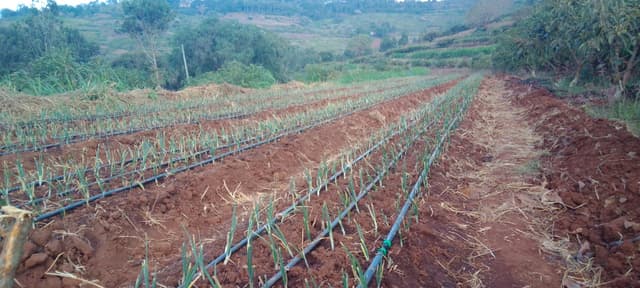
Our drip irrigation system ensures that each plant receives the exact amount of water it needs, conserving resources while maximizing growth. Combined with a carefully calibrated fertigation program, we're able to deliver nutrients directly alongside water, ensuring plants have consistent access to what they need at every growth stage without the waste associated with broadcast fertilizer application.
Plant training and pruning are also central to our greenhouse strategy. We trellis our tomato plants to maximize vertical growing space and improve air circulation around the foliage, which helps prevent the fungal diseases that thrive in humid, crowded conditions. Regular pruning of suckers and lower leaves directs the plant's energy toward fruit production and keeps the canopy healthy.
This greenhouse initiative not only increases our tomato yield but also serves as a practical training ground for local farmers interested in adopting greenhouse farming techniques. We regularly host visits from farmers curious about the setup, walking them through the systems and sharing lessons learned from our own trial and error along the way. The success of this project demonstrates how modern agricultural practices can be adapted to local conditions for the benefit of the entire farming community, and we continue to look for ways to refine and expand the model as we learn more with each growing cycle.